
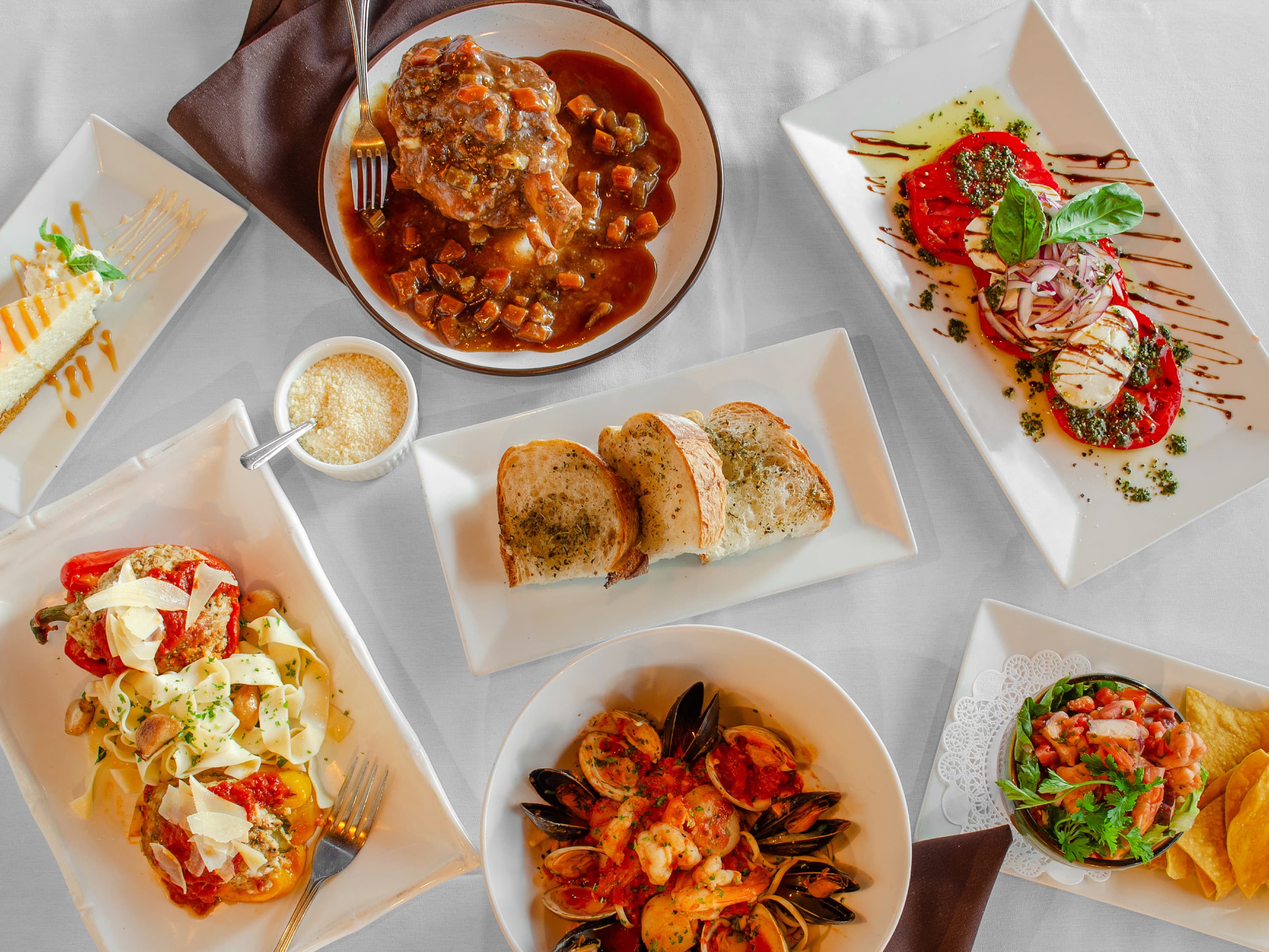
Your Complete Guide to Authentic Italian Dining
Italian Restaurant: What Makes Authentic Italian Dining
From the bustling trattorias of Rome to the elegant ristorantes of Milan, Italian restaurants have captivated diners worldwide for centuries. Whether you're searching for an Italian restaurant near you or want to understand what sets authentic Italian cuisine apart, this guide will help you discover the art of true Italian dining.
What is an Italian Restaurant?
An Italian restaurant is more than just a place to eat—it's a celebration of one of the world's most beloved culinary traditions. Rooted in centuries of regional cooking, Italian restaurants bring together fresh ingredients, time-honored techniques, and the Italian philosophy that food is meant to be savored and shared.
The Italian approach to dining emphasizes la cucina povera (the poor kitchen)—a philosophy that transforms simple, high-quality ingredients into extraordinary dishes. This means fresh vegetables, artisanal cheeses, cured meats, olive oil, and pasta made from durum wheat semolina. Every dish tells a story of the region it comes from, whether it's the seafood-rich cuisine of the Amalfi Coast or the hearty meat dishes of Tuscany.
What distinguishes a true Italian restaurant from imitations is authenticity: recipes passed down through generations, proper technique, and respect for ingredients. At Sal De Forte's, we've upheld these traditions for 39 years, bringing the flavors of Italy to Ewing, New Jersey.
Types of Italian Restaurants
Italian dining establishments come in many forms, each with its own character, menu style, and atmosphere. Understanding these distinctions helps you choose the right experience.
Ristorante
The most formal type of Italian dining establishment. A ristorante features white tablecloths, extensive wine lists, professional service, and refined cuisine. Expect multi-course meals, sommelier recommendations, and an atmosphere suited for special occasions.
Best for: Anniversaries, business dinners, romantic evenings
Trattoria
A casual, family-style restaurant serving hearty, home-cooked Italian food. Trattorias typically have simpler decor, paper-covered tables, and a menu of regional comfort dishes. The atmosphere is warm and welcoming, often family-owned.
Best for: Family dinners, casual gatherings, everyday dining
Osteria
Originally a wine tavern serving simple food to accompany drinks, modern osterias focus on regional wines paired with traditional dishes. The food is rustic and straightforward, emphasizing local ingredients and seasonal menus.
Best for: Wine enthusiasts, casual dining, local specialties
Pizzeria
Specialized in pizza, ranging from Neapolitan-style with soft, chewy crusts to Roman-style thin and crispy. A true Italian pizzeria uses a wood-fired oven and high-quality ingredients like San Marzano tomatoes and fresh mozzarella.
Best for: Quick meals, families with children, late-night dining
Enoteca
A wine bar that also serves food. Enotecas offer extensive wine selections by the glass, paired with small plates, cheeses, and cured meats. The focus is on the wine experience, with food as an accompaniment.
Best for: Wine tastings, appetizers, intimate conversations
Caffè
More than just a coffee shop, an Italian caffè serves espresso, pastries, light meals, and often aperitivo (pre-dinner drinks with snacks). It's a social hub where Italians gather throughout the day.
Best for: Morning coffee, afternoon breaks, light snacks
What Makes a Great Italian Restaurant?
Whether you're seeking authentic Italian food or simply want to enjoy a memorable meal, these are the hallmarks of a truly exceptional Italian restaurant.
1. Fresh, Quality Ingredients
The foundation of Italian cooking is la materia prima—premium raw materials. A great Italian restaurant sources the freshest produce, imports authentic Italian specialties (San Marzano tomatoes, aged Parmigiano-Reggiano, extra virgin olive oil), and never compromises on quality. The best restaurants change their menus seasonally to feature ingredients at their peak.
2. Fresh Pasta Made In-House
There's a profound difference between dried pasta and fresh pasta made that day. Superior Italian restaurants make pasta from scratch—rolling, cutting, and shaping by hand. At Sal De Forte's, our homemade pasta is prepared fresh every morning using traditional Italian techniques passed down through the Vizzini family.
3. Authentic Family Recipes
Genuine Italian cuisine comes from generations of family cooking. The best Italian restaurants are often family-owned, with recipes handed down through decades. These aren't dishes adapted for American tastes—they're authentic preparations that honor Italian culinary heritage. Our family has maintained these traditions for 39 years.
4. Curated Wine Selection
Wine is integral to Italian dining. A quality Italian restaurant offers a thoughtfully curated wine list featuring selections from Italy's renowned regions—Chianti from Tuscany, Barolo from Piedmont, Prosecco from Veneto. Staff should be knowledgeable about pairings and able to guide you to the perfect complement for your meal.
5. Warm, Inviting Atmosphere
Italians believe in convivialità—the joy of gathering together. An exceptional Italian restaurant creates an atmosphere that encourages lingering over a meal, savoring each course, and enjoying conversation. Whether upscale or casual, the ambiance should make you feel welcomed and unhurried.
6. Knowledgeable, Attentive Service
Service at a great Italian restaurant strikes the perfect balance—attentive without being intrusive, knowledgeable about the menu and wines, and genuinely invested in your dining experience. Staff should be able to explain dishes, make recommendations, and accommodate dietary needs with grace.
Regional Italian Cuisine
Italy's cuisine varies dramatically by region. Understanding these differences enhances your appreciation of Italian restaurants and helps you recognize authentic preparations.
Northern Italy
Influenced by Alpine climates and neighboring countries, Northern Italian cuisine features butter, cream, rice, and polenta more prominently than olive oil and dried pasta. Dishes tend to be richer and heartier.
- Signature dishes: Risotto, ossobuco, polenta, gnocchi
- Notable regions: Lombardy, Piedmont, Veneto, Emilia-Romagna
- Wines: Barolo, Barbaresco, Prosecco, Amarone
Central Italy
The heartland of Italian cuisine, Central Italy is known for simple preparations that let quality ingredients shine. Olive oil, fresh pasta, grilled meats, and rustic bread are staples.
- Signature dishes: Bistecca alla Fiorentina, pappardelle, ribollita
- Notable regions: Tuscany, Umbria, Lazio
- Wines: Chianti, Brunello di Montalcino, Montepulciano
Southern Italy
Mediterranean climate produces vibrant tomatoes, peppers, eggplant, and citrus. Southern cuisine is characterized by olive oil, dried pasta, and bold flavors. This is where many Italian-American classics originated.
- Signature dishes: Pizza Napoletana, spaghetti alle vongole, eggplant parmigiana
- Notable regions: Campania, Calabria, Sicily, Puglia
- Wines: Aglianico, Nero d'Avola, Primitivo
Coastal Regions
Italy's extensive coastline produces exceptional seafood cuisine. From the Amalfi Coast to Sicily to Liguria, fresh fish, shellfish, and crustaceans feature prominently in local dishes.
- Signature dishes: Frutti di mare, shrimp scampi, branzino, cioppino
- Notable regions: Liguria, Amalfi, Sicily, Sardinia
- Wines: Vermentino, Falanghina, Fiano
Experience Authentic Italian at Sal De Forte's
For 39 years, Sal De Forte's Ristorante has embodied everything that makes a great Italian restaurant. Located in Ewing, New Jersey, we serve Princeton, Trenton, and the surrounding Mercer County area.
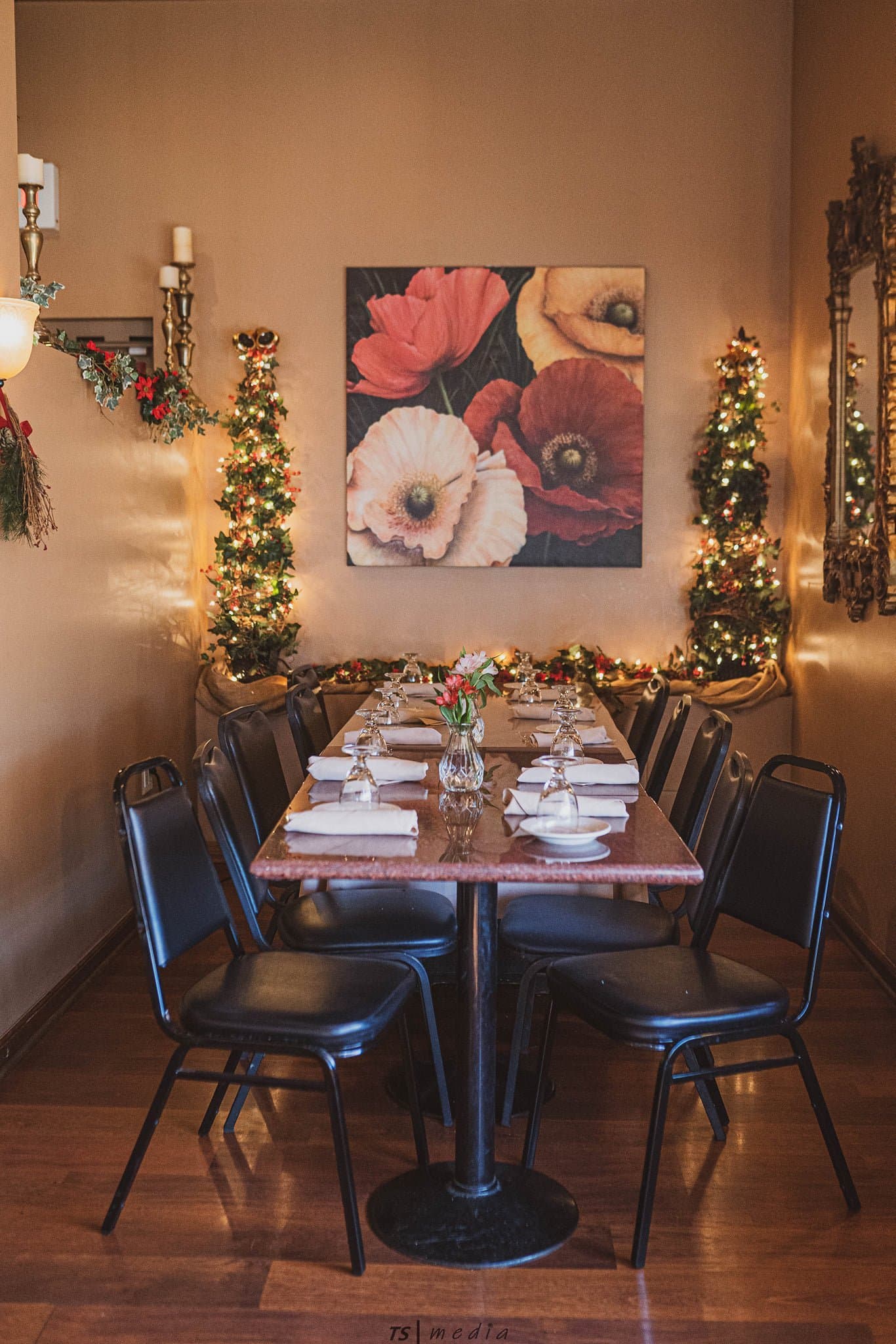
Our Italian Restaurant Tradition
- ✓Fresh pasta made daily using traditional Italian techniques passed down through the Vizzini family
- ✓Authentic family recipes unchanged for 39 years
- ✓Full liquor license with curated Italian wine selection
- ✓Fresh seafood daily for signature dishes like Frutti Di Mare
- ✓Upscale yet welcoming atmosphere for every occasion
- ✓100+ free parking spaces for convenient dining
Visit Our Italian Restaurant
Conveniently located to serve all of Mercer County and beyond.
Italian Restaurant FAQs
Common questions about Italian restaurants and dining.
What makes a good Italian restaurant?
A great Italian restaurant is defined by fresh, high-quality ingredients, authentic family recipes passed down through generations, skilled chefs who respect traditional cooking methods, and warm hospitality. Look for restaurants that make pasta fresh daily, use imported Italian ingredients like San Marzano tomatoes and aged Parmigiano-Reggiano, and have a long-standing reputation in their community.
What is the difference between a ristorante and a trattoria?
A ristorante is typically more formal and upscale, featuring refined Italian cuisine, white tablecloths, extensive wine lists, and professional service. A trattoria is more casual and family-oriented, serving hearty, home-style Italian dishes in a relaxed atmosphere with simpler decor. An osteria falls between the two, originally a tavern serving simple food with wine.
What dishes should an authentic Italian restaurant have?
An authentic Italian restaurant should offer fresh pasta dishes (like cavatelli, pappardelle, or tagliatelle), classic antipasti (bruschetta, caprese), traditional entrées (ossobuco, chicken parmigiana, veal marsala), fresh seafood preparations (frutti di mare, shrimp scampi), and classic desserts (tiramisu, cannoli, panna cotta). Quality restaurants often feature regional specialties and seasonal dishes.
How can I tell if an Italian restaurant is authentic?
Signs of an authentic Italian restaurant include: fresh pasta made in-house, a menu that changes seasonally, family ownership or heritage, use of imported Italian ingredients, a curated wine list featuring Italian wines, proper pronunciation and spelling of Italian dishes, and staff who can explain the origins and preparation of dishes. Avoid restaurants that microwave dishes or use pre-made sauces.
What should I expect at an upscale Italian restaurant?
At an upscale Italian restaurant, expect white tablecloths, soft lighting, attentive but not intrusive service, a comprehensive wine list with sommelier recommendations, fresh bread service, multi-course dining options, market-priced seafood and premium cuts, and an elegant but welcoming atmosphere suitable for special occasions.
Learn More About Italian Cuisine
Complete Guide to Italian Foods
Explore the full range of Italian cuisine and dishes.
Authentic vs. Americanized Italian
Understand the differences in Italian cuisine traditions.
Italian Dinner Experience
Plan the perfect Italian dinner outing.
Italian Pasta Guide
Discover the world of Italian pasta varieties.
Ready to Experience a True Italian Restaurant?
Visit Sal De Forte's Ristorante and discover 39 years of authentic Italian tradition in Ewing, New Jersey.