
Italian Food Pasta Guide: Types, Sauces & Perfect Pairings
From the silky ribbons of fresh tagliatelle to the satisfying bite of perfectly cooked spaghetti, Italian pasta is one of the world's most beloved foods. In this comprehensive guide, we'll explore everything you need to know about Italian food pasta: the different types, how to pair them with sauces, cooking techniques, and where to find the best pasta restaurant near you.
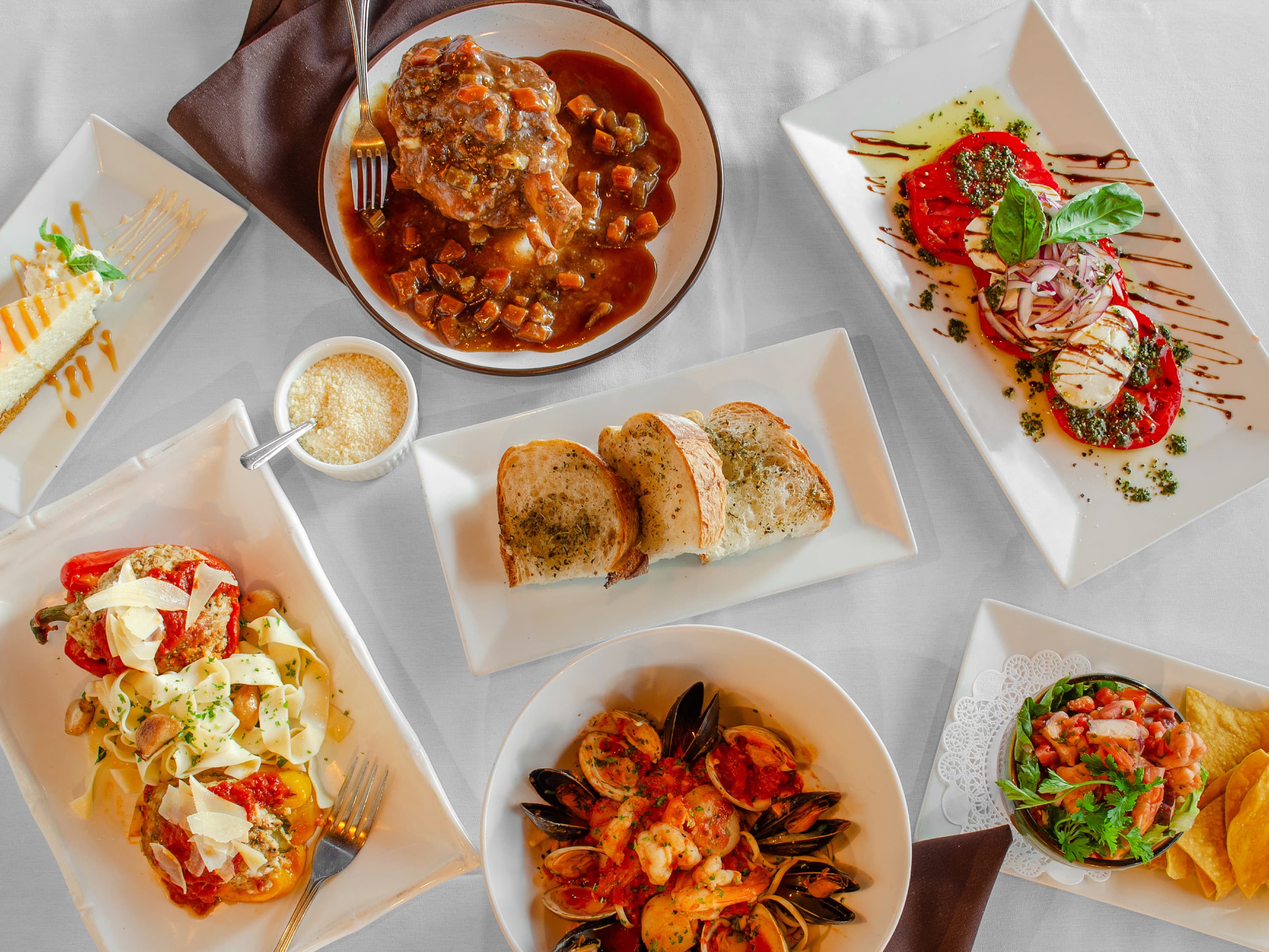
Fresh pasta dishes at Sal De Forte's - serving authentic Italian cuisine since 1985
1. A Brief History of Italian Pasta
Contrary to popular myth, Marco Polo did not bring pasta to Italy from China. Archaeological evidence suggests that pasta-like dishes existed in Italy as early as the 4th century BC. However, the Italian pasta we know and love today evolved primarily in Southern Italy, where the warm, dry climate was perfect for drying and preserving pasta.
Naples became the epicenter of dried pasta production in the 16th century, earning the nickname "mangiamaccheroni" (macaroni eaters). The industrial revolution brought pasta-making machines, making this humble food accessible to the masses. Today, Italy produces over 3 million tons of pasta annually, with over 300 different shapes.
Did you know? At Sal De Forte's, we've been making fresh pasta by hand since 1985 - carrying on the Italian tradition for 39 years in Ewing Township, New Jersey.
2. Fresh Pasta vs Dried Pasta: What's the Difference?
One of the most common questions about Italian food pasta is whether fresh pasta is "better" than dried. The truth is, they're different tools for different jobs - both have their place in authentic Italian cooking.
Fresh Pasta (Pasta Fresca)
- Ingredients: Flour, eggs (sometimes water)
- Texture: Soft, tender, silky
- Cook time: 2-4 minutes
- Best for: Cream sauces, butter sauces, delicate preparations
- Origin: Northern Italy (Emilia-Romagna)
- Storage: Refrigerate 2-3 days or freeze
Dried Pasta (Pasta Secca)
- Ingredients: Semolina flour, water
- Texture: Firm, chewy, "al dente"
- Cook time: 8-12 minutes
- Best for: Tomato sauces, oil-based sauces, hearty ragùs
- Origin: Southern Italy (Naples, Sicily)
- Storage: Pantry for 2+ years
At Sal De Forte's, we make fresh pasta daily for dishes like our signature Cavatelli, Lasagna, and Ravioli. We also use high-quality dried pasta for certain dishes where its firmer texture is preferred.
3. 10 Essential Italian Pasta Types
With over 300 pasta shapes in Italy, it can be overwhelming to know where to start. Here are 10 essential Italian pasta types every food lover should know:
1. Spaghetti
Naples, Southern ItalyLong, thin cylindrical strands - the world's most recognized pasta shape
2. Fettuccine
Rome, Central ItalyFlat, thick ribbons that hold rich sauces beautifully
3. Penne
Campania, Southern ItalyTube-shaped with diagonal cuts - sauce gets trapped inside
4. Rigatoni
Central/Southern ItalyLarge ridged tubes perfect for hearty, chunky sauces
5. Linguine
Genoa, LiguriaFlattened spaghetti that clings to light sauces
6. Tagliatelle
Bologna, Emilia-RomagnaWide, flat egg noodles - the authentic choice for Bolognese
7. Farfalle
Lombardy/Emilia-RomagnaBow-tie shaped pasta that's fun and functional
8. Orecchiette
Puglia, Southern ItalyLittle ear-shaped pasta that cups small ingredients
9. Cavatelli
Southern ItalySmall, rolled shells - our signature pasta at Sal De Forte's
10. Pappardelle
TuscanyExtra-wide ribbons ideal for rich, meaty sauces
Try our signature Cavatelli! At Sal De Forte's, our Homemade Cavatelli is handrolled fresh every morning using our traditional family recipe. Check out our full pasta menu to see all 16+ pasta dishes we offer.
4. The Art of Pasta-Sauce Pairing
In Italy, pasta and sauce pairings follow centuries of regional tradition. The general rule? The sauce should cling to the pasta. Here's how to match them perfectly:
| Pasta Shape | Sauce Type | Why It Works |
|---|---|---|
| Long, thin (spaghetti, linguine) | Light oil or tomato sauces | Sauce coats each strand evenly |
| Long, flat (fettuccine, pappardelle) | Rich cream or meat ragù | Wide surface holds heavy sauces |
| Tubes (penne, rigatoni) | Chunky meat or vegetable | Sauce gets trapped inside tubes |
| Small shapes (orzo, ditalini) | Soups and broths | Easy to eat with a spoon |
| Ridged pasta (rigatoni rigati) | Thick, textured sauces | Ridges grip the sauce |
The Golden Rules of Pasta-Sauce Pairing
- Match weight: Light pasta with light sauce, hearty pasta with hearty sauce
- Consider texture: Smooth pasta for smooth sauces, ridged for chunky
- Think regionally: Pair pasta with sauces from the same Italian region
- Finish in the sauce: Always toss pasta in the sauce (never just top it)
- Save pasta water: The starchy liquid helps sauce adhere to pasta
5. 6 Classic Italian Pasta Dishes Everyone Should Know
These are the dishes that define Italian food pasta. Each one represents centuries of culinary tradition and demonstrates how simple ingredients can create extraordinary flavors.
Cacio e Pepe
RomeJust three ingredients - pasta, Pecorino Romano, and black pepper - transformed into silky perfection through technique
Difficulty: Intermediate
Carbonara
RomeEggs, guanciale (cured pork jowl), Pecorino Romano, and black pepper create a rich, creamy sauce without cream
Difficulty: Intermediate
Bolognese (Ragù)
BolognaSlow-simmered meat sauce with soffritto, wine, and tomato - always served with tagliatelle, never spaghetti
Difficulty: Easy (but time-intensive)
Aglio e Olio
NaplesGarlic, olive oil, and red pepper flakes - simple, quick, and absolutely delicious midnight pasta
Difficulty: Easy
Puttanesca
NaplesBold, briny sauce with tomatoes, olives, capers, anchovies, and garlic - full of character
Difficulty: Easy
Amatriciana
Amatrice/RomeTomatoes, guanciale, Pecorino Romano, and a touch of chili - one of Rome's famous pasta quartet
Difficulty: Easy
Want to taste these classic dishes prepared by experts? Visit Sal De Forte's where we've been perfecting these recipes for 39 years. Our Tortellini Carbonara and Vodka Rigatoni are guest favorites.
6. Pro Tips for Cooking Perfect Pasta
After 39 years of making pasta at Sal De Forte's, we've learned a thing or two. Here are our professional tips for cooking Italian pasta at home:
1. Use Plenty of Water
Use at least 4-6 quarts of water per pound of pasta. This prevents sticking and ensures even cooking. Crowded pasta = gummy pasta.
2. Salt Like the Sea
Your pasta water should taste like the ocean. About 1-2 tablespoons of salt per pound of pasta. This is your only chance to season the pasta itself.
3. Never Add Oil to the Water
Despite what you've heard, oil in pasta water is a myth. It doesn't prevent sticking and actually makes sauce slide off. Just stir in the first minute instead.
4. Undercook by 1-2 Minutes
Always drain pasta 1-2 minutes before the package says. You'll finish cooking it in the sauce, allowing it to absorb flavor while reaching perfect al dente.
5. Save That Pasta Water
Before draining, save at least 1 cup of pasta water. The starch helps emulsify sauces and creates that silky restaurant-quality texture. This is the secret professionals use.
6. Finish in the Sauce
Never just dump sauce on top of pasta. Add drained pasta directly to your sauce pan, toss together over heat for 1-2 minutes, adding pasta water as needed. The pasta will absorb flavor and the sauce will cling perfectly.
7. Where to Find Authentic Italian Pasta Near You
While cooking Italian food pasta at home is rewarding, there's something special about enjoying it prepared by experts with decades of experience.
Sal De Forte's Ristorante - The Best Pasta Restaurant Near You
Since 1985, the Vizzini family has been serving authentic Italian pasta in Ewing Township, New Jersey. We make our pasta fresh every morning using traditional techniques and premium imported ingredients.
Location
1400 Parkway Ave
Ewing Township, NJ 08628
(609) 406-0123
We Serve
Ewing Township | Princeton (10 min)
Trenton (7 min) | Lawrenceville (9 min)
Hamilton and all of Mercer County
8. Frequently Asked Questions About Italian Pasta
What is the difference between fresh pasta and dried pasta?
Fresh pasta is made with eggs and flour, has a softer texture, cooks in 2-4 minutes, and pairs best with delicate cream or butter sauces. Dried pasta is made with semolina flour and water, has a firmer "al dente" texture, cooks in 8-12 minutes, and holds up better to hearty tomato and oil-based sauces.
What are the most popular types of Italian pasta?
The most popular types include spaghetti (long strands for tomato sauces), penne (tubes for chunky sauces), fettuccine (flat ribbons for cream sauces), rigatoni (large tubes for baked dishes), linguine (flat spaghetti for seafood), and tagliatelle (wide ribbons for meat ragù).
How do you properly cook pasta al dente?
Use plenty of salted water (4-6 quarts per pound), add pasta only when water is at a rolling boil, stir within the first minute, cook 1-2 minutes less than package directions, and test by biting - there should be a slight firmness in the center. Always save pasta water before draining.
What sauce goes with what pasta shape?
Long, thin pasta pairs with light oil or tomato sauces. Tubular pasta catches chunky meat or vegetable sauces. Flat, wide pasta holds rich cream or meat ragù sauces. Ridged pasta grips thicker sauces better than smooth versions. The key is matching the sauce weight to the pasta weight.
Why does restaurant pasta taste better than homemade?
Restaurant pasta tastes better because: pasta is finished in the sauce (not just topped), starchy pasta water creates silky consistency, higher quality ingredients are used, proper salt levels are maintained, and years of technique are applied. At Sal De Forte's, we've perfected these techniques over 39 years.
Conclusion: The Joy of Italian Pasta
Italian food pasta is more than just a meal - it's a connection to centuries of tradition, family, and artistry. Whether you're twirling spaghetti carbonara at home or savoring fresh cavatelli at a restaurant, pasta has a unique ability to bring people together.
We hope this guide has deepened your appreciation for Italian pasta and inspired you to explore new shapes, sauces, and techniques. Remember: great pasta starts with quality ingredients, proper technique, and a love for the craft.
Ready to taste authentic Italian pasta made by experts? We invite you to visit Sal De Forte's, where the Vizzini family has been serving fresh, handmade pasta since 1985. Buon appetito!
Craving Authentic Italian Pasta?
Experience 39 years of fresh, handmade pasta at Sal De Forte's Ristorante