
Italian Food Guide • December 2025
Authentic Italian Food vs Americanized Italian: What's the Real Difference?
Understanding the key differences between traditional Italian cuisine and Italian-American adaptations can help you appreciate both traditions and find truly authentic Italian food near you.
If you've ever wondered why the Italian food you had in Rome tasted different from your favorite Italian-American restaurant, you're not alone. The journey of Italian cuisine to America created a fascinating culinary evolution, resulting in two distinct but related food traditions. Let's explore what makes authentic Italian food unique and how it differs from the Italian-American dishes many of us grew up enjoying.
The Philosophy Behind Authentic Italian Cooking
In Italy, cooking is governed by a simple principle: let the ingredients speak for themselves. Italian cuisine evolved from "cucina povera" (peasant cooking), where cooks had limited ingredients and needed to maximize flavor from what was locally available and seasonal.
This philosophy means authentic Italian dishes typically feature:
- •3-5 high-quality ingredients rather than complex combinations
- •Seasonal, local produce at its peak of freshness
- •Regional specificity - dishes vary significantly by region
- •Restrained use of cheese and cream - less is more
- •Olive oil as the foundation rather than butter (in most regions)
Key Differences: Dish by Dish Comparison
Let's look at how specific dishes differ between authentic Italian and Italian-American versions:
| Dish | Authentic Italian | Italian-American |
|---|---|---|
| Carbonara | Egg yolks, pecorino romano, guanciale, black pepper. NO cream ever. | Often made with heavy cream, bacon, and parmesan |
| Alfredo | Simply butter and Parmigiano-Reggiano emulsified with pasta water (Roman "fettuccine al burro") | Heavy cream-based sauce, sometimes with garlic and other additions |
| Pizza | Thin, charred crust. Minimal toppings. Light on mozzarella. Eaten with knife and fork. | Thick or crispy crust, loaded with toppings and cheese |
| Bolognese | Slow-cooked meat ragù with minimal tomato, served with tagliatelle (never spaghetti) | Tomato-heavy meat sauce served over spaghetti |
| Garlic Bread | Doesn't exist! Italians have bruschetta (grilled bread rubbed with garlic and olive oil) | Bread slathered with butter and garlic |
| Chicken Parm | Not traditional (chicken isn't commonly paired with pasta in Italy) | Breaded chicken with marinara and mozzarella, served with pasta |
The Portion Size Difference
One of the most striking differences is portion size. In Italy, meals are structured differently:
Traditional Italian Meal Structure:
- Antipasto - Light appetizer (bruschetta, cured meats)
- Primo - First course (pasta, risotto, or soup) - moderate portion
- Secondo - Protein (fish, meat, or poultry) - no pasta side
- Contorno - Vegetable side dish
- Dolce - Dessert (often fruit or small pastry)
In Italian-American restaurants, you might receive a pasta portion that would serve 2-3 people in Italy. This isn't wrong—it's just different. American dining culture evolved to offer value through larger portions.
Why Did Italian Food Change in America?
When Italian immigrants arrived in America (primarily from Southern Italy), they faced new challenges:
- 1.Different ingredients - Certain Italian products weren't available, so substitutions were made
- 2.More abundance - Meat, cheese, and cream were cheaper and more accessible in America
- 3.Customer expectations - American diners expected larger portions and richer flavors
- 4.Regional blending - Dishes from different Italian regions merged into a unified "Italian" menu
The result is Italian-American cuisine—a legitimate culinary tradition in its own right, but distinctly different from what you'd find in Italy.
How to Recognize Authentic Italian Food
When looking for authentic Italian food, watch for these signs:
Good Signs:
- • Short ingredient lists
- • Seasonal menu changes
- • Regional dish specifications
- • Fresh pasta made in-house
- • Imported Italian ingredients
- • Al dente pasta
- • Olive oil-forward cooking
Warning Signs:
- • Cream in carbonara
- • Spaghetti with Bolognese
- • Chicken on pasta (main course)
- • Garlic bread on the menu
- • Everything covered in cheese
- • Generic "Italian herbs"
- • Very large portions
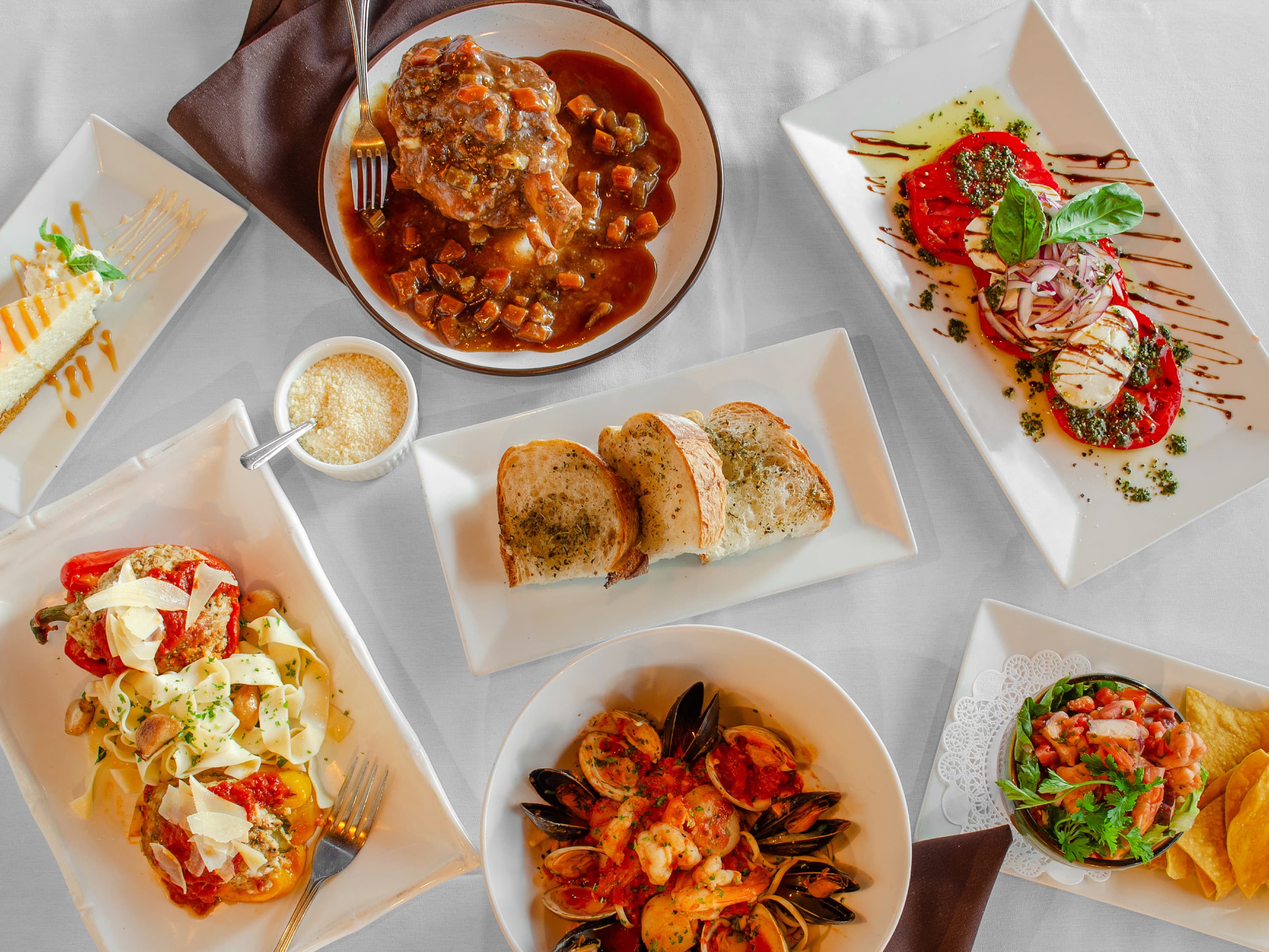
Experience Authentic Italian Food in New Jersey
At Sal De Forte's Ristorante in Ewing Township, we've been serving authentic Italian food since 1985. Our commitment to authenticity includes:
- ✓Fresh pasta made in-house daily using traditional techniques passed down through the Vizzini family
- ✓Imported Italian ingredients including San Marzano tomatoes, aged Parmigiano-Reggiano, and premium olive oils
- ✓Traditional recipes that honor Italian culinary heritage while satisfying American appetites
- ✓39 years of family tradition bringing authentic flavors to Ewing Township, Princeton, and Trenton
While we respect both traditions, our focus is on bringing you the genuine flavors of Italy. We believe you can appreciate Italian-American classics while also experiencing the purity and simplicity of authentic Italian cuisine.
Ready to Taste the Difference?
Visit Sal De Forte's and experience authentic Italian food the way it was meant to be enjoyed.
The Bottom Line
Neither authentic Italian nor Italian-American cuisine is "better" than the other—they're simply different culinary traditions with their own merits. Italian-American food is a legitimate cuisine that evolved to suit American tastes and ingredients, while authentic Italian cuisine offers a window into Italy's regional food cultures.
The key is knowing what you're getting. When you visit Sal De Forte's, you can expect dishes that lean toward authenticity—prepared with traditional methods, quality ingredients, and 39 years of family passion. We invite you to taste the difference for yourself.