
As a family-owned Italian restaurant that has been serving Ewing Township, New Jersey since 1985, we've spent nearly four decades perfecting authentic Italian dishes and sharing our love of Italian cuisine with our community. In this comprehensive guide, we'll take you on a journey through the rich world of Italian foods — from classic pasta dishes to fresh seafood, from savory appetizers to decadent desserts.
Italian cuisine is more than just food; it's a celebration of family, tradition, and the finest ingredients. Whether you're a longtime lover of Italian food or just beginning to explore this remarkable cuisine, this guide will deepen your appreciation and perhaps inspire your next meal.
The History of Italian Cuisine
Italian cuisine has roots stretching back to ancient Rome, where the foundations of Mediterranean cooking were established. The Roman Empire's vast trade networks brought exotic spices, ingredients, and cooking techniques that would shape Italian food for centuries.
During the Renaissance, Italian cuisine flourished as wealthy families sponsored culinary innovation. Catherine de' Medici famously brought Italian cooking techniques to France when she married King Henry II, influencing European cuisine for generations.
When Italian immigrants arrived in America in the late 19th and early 20th centuries, they brought their regional recipes and traditions. In New Jersey and the greater New York area, Italian-American cuisine evolved, adapting traditional recipes to available ingredients while maintaining the heart and soul of authentic Italian cooking.
Antipasti: Italian Appetizers
In Italian dining, the meal traditionally begins with antipasti — small dishes designed to stimulate the appetite. These starters showcase the simplicity and quality that define Italian foods.
Classic Italian Appetizers
- Bruschetta: Grilled bread rubbed with garlic and topped with fresh tomatoes, basil, and olive oil. The key is using ripe tomatoes and quality extra virgin olive oil.
- Caprese Salad: Fresh mozzarella, ripe tomatoes, and basil drizzled with olive oil. This simple dish from Capri represents Italian cuisine at its purest.
- Calamari Fritti: Lightly battered and fried squid rings, served with marinara sauce. When done right, the coating is crispy and the squid is tender.
- Prosciutto e Melone: Sweet cantaloupe wrapped in thin slices of aged prosciutto — a perfect balance of sweet and savory.
"At Sal De Forte's, our appetizers feature recipes passed down through generations of the Vizzini family. We believe the appetizer sets the tone for the entire meal."
Explore Our Appetizer Menu →Pasta: The Heart of Italian Cuisine
No discussion of Italian foods is complete without pasta. With over 350 shapes and countless regional preparations, pasta represents the diversity and creativity of Italian cooking.
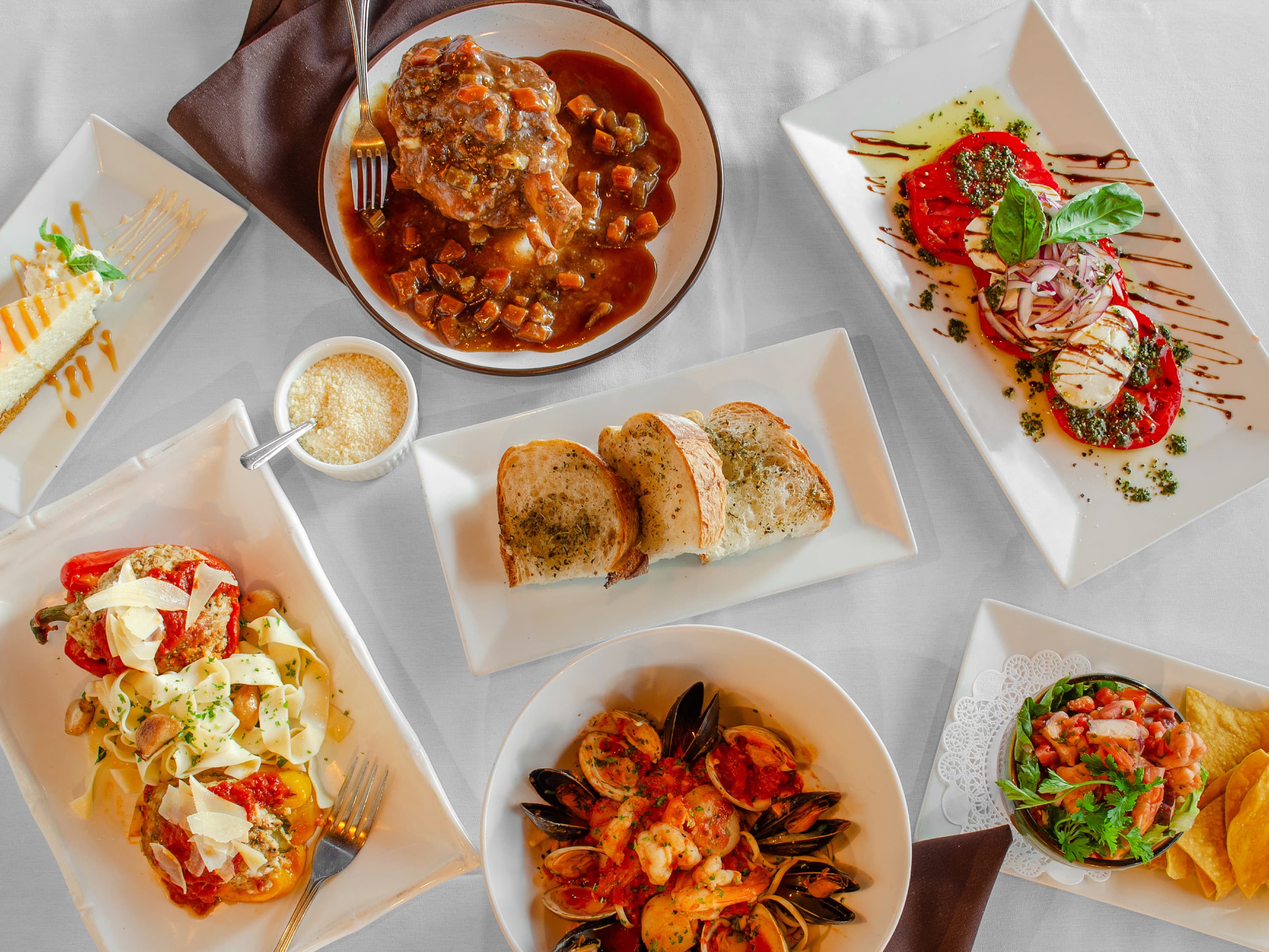
Fresh pasta prepared daily at our restaurant
Types of Pasta Shapes
Long Pasta
Spaghetti, Linguine, Fettuccine, Angel Hair, Bucatini
Short Pasta
Penne, Rigatoni, Farfalle, Fusilli, Orecchiette
Filled Pasta
Ravioli, Tortellini, Agnolotti, Cannelloni, Manicotti
Classic Pasta Dishes
Spaghetti Carbonara
A Roman classic made with eggs, Pecorino Romano cheese, guanciale (cured pork cheek), and black pepper. The heat of the pasta creates a silky sauce without cream.
Lasagna
Layers of fresh pasta sheets, rich Bolognese sauce, creamy béchamel, and melted cheese. Every Italian family has their own variation of this beloved dish.
Fettuccine Alfredo
Originally a simple Roman dish of fettuccine tossed with butter and Parmigiano-Reggiano. The Italian-American version often includes cream for extra richness.
Risotto: Italy's Creamy Rice Dish
Risotto originated in Northern Italy, where rice paddies thrive in the Po Valley. Unlike other rice dishes, risotto requires constant stirring as warm broth is gradually added, creating its signature creamy texture.
The best risotto uses short-grain Italian rice varieties like Arborio, Carnaroli, or Vialone Nano, which release starch during cooking to create that luscious consistency.
Popular Risotto Variations
- Risotto alla Milanese: Saffron-infused, golden yellow risotto from Milan
- Risotto ai Funghi: Wild mushroom risotto, often with porcini
- Risotto al Nero di Seppia: Black risotto colored with squid ink
- Risotto ai Frutti di Mare: Seafood risotto with shrimp, mussels, and clams
Italian Seafood (Frutti di Mare)
With coastlines along three seas — the Adriatic, Tyrrhenian, and Ionian — Italy has a rich tradition of seafood preparation. Italian seafood dishes emphasize freshness and simplicity, allowing the natural flavors of the sea to shine.
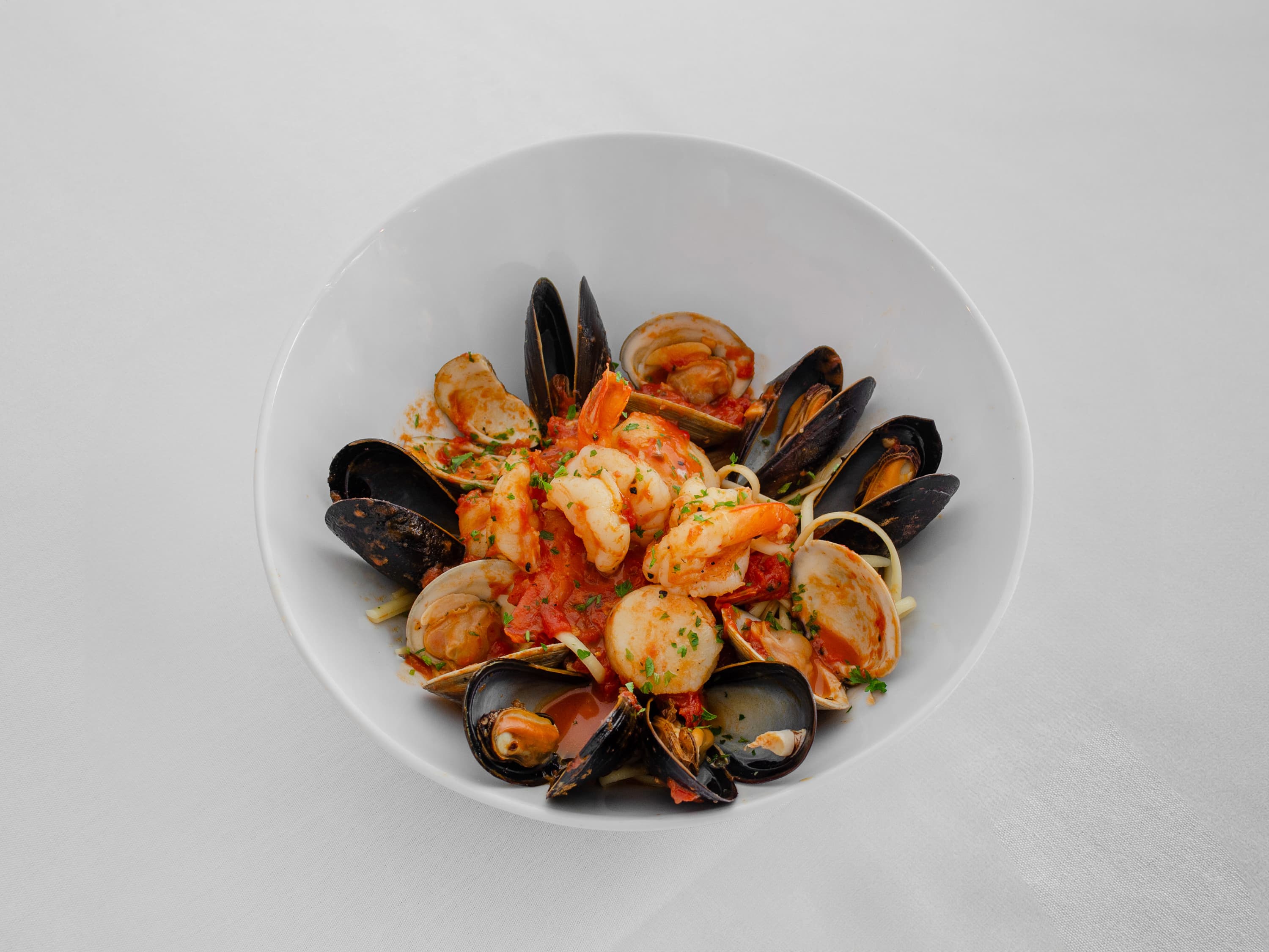
Our signature Frutti di Mare
Signature Italian Seafood Dishes
- Frutti di Mare: A medley of fresh seafood including shrimp, mussels, clams, calamari, and sometimes lobster, often served over linguine.
- Branzino: Mediterranean sea bass, typically grilled whole and filleted tableside, dressed with olive oil and lemon.
- Shrimp Scampi: Succulent shrimp sautéed in garlic, white wine, butter, and a touch of lemon — simple and utterly satisfying.
- Cioppino: A hearty San Francisco-style seafood stew with Italian roots, featuring fish, shellfish, and a rich tomato broth.
Meat Dishes (Secondi)
The secondo course features meat or fish as the star. Italian meat dishes range from delicate veal preparations to hearty steaks, each with regional traditions and techniques.
Veal Specialties
- Veal Piccata: Tender cutlets in a lemon-caper sauce
- Veal Marsala: Veal medallions with Marsala wine and mushrooms
- Ossobuco: Braised veal shanks from Milan, served with gremolata
- Saltimbocca: Veal wrapped with prosciutto and sage
Chicken Dishes
- Chicken Parmigiana: Breaded cutlet with marinara and mozzarella
- Chicken Francese: Egg-battered chicken in lemon-butter sauce
- Chicken Cacciatore: Hunter-style braised chicken with tomatoes
- Pollo alla Diavola: Spicy grilled chicken, Tuscan style
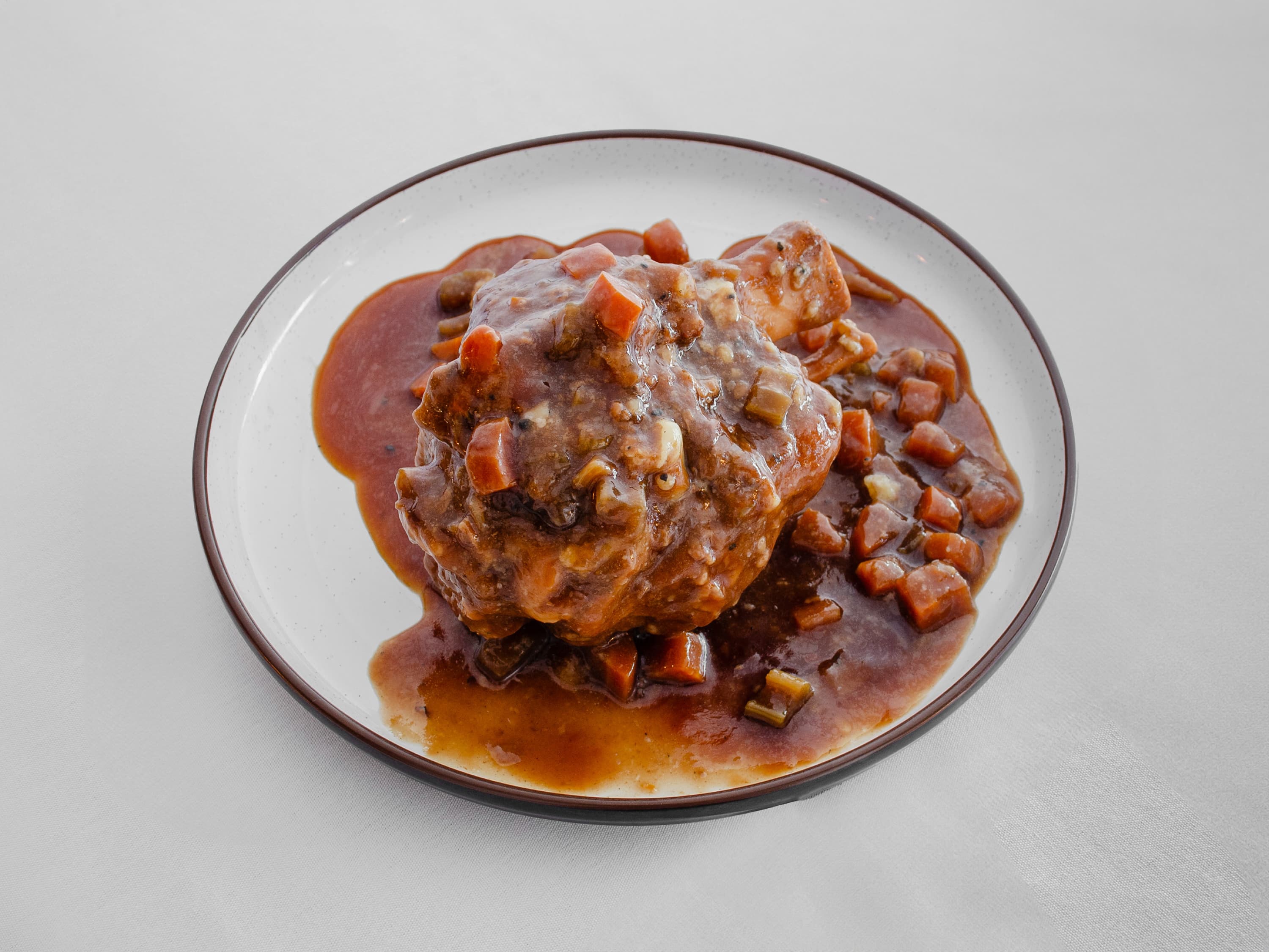
Our slow-braised Ossobuco
Italian Desserts (Dolci)
No Italian meal is complete without something sweet. Italian desserts range from light and creamy to rich and indulgent, often featuring coffee, nuts, citrus, and ricotta cheese.
Classic Italian Desserts
Tiramisu
"Pick me up" — layers of espresso-soaked ladyfingers and mascarpone cream, dusted with cocoa. Perhaps Italy's most famous dessert.
Cannoli
Crispy fried pastry shells filled with sweet ricotta cream, often studded with chocolate chips or candied fruit. A Sicilian treasure.
Panna Cotta
"Cooked cream" — a silky custard set with gelatin, often served with berry sauce or caramel. Elegantly simple.
Gelato
Italian ice cream with less air and more intense flavor than American ice cream. Classic flavors include stracciatella, pistachio, and nocciola.
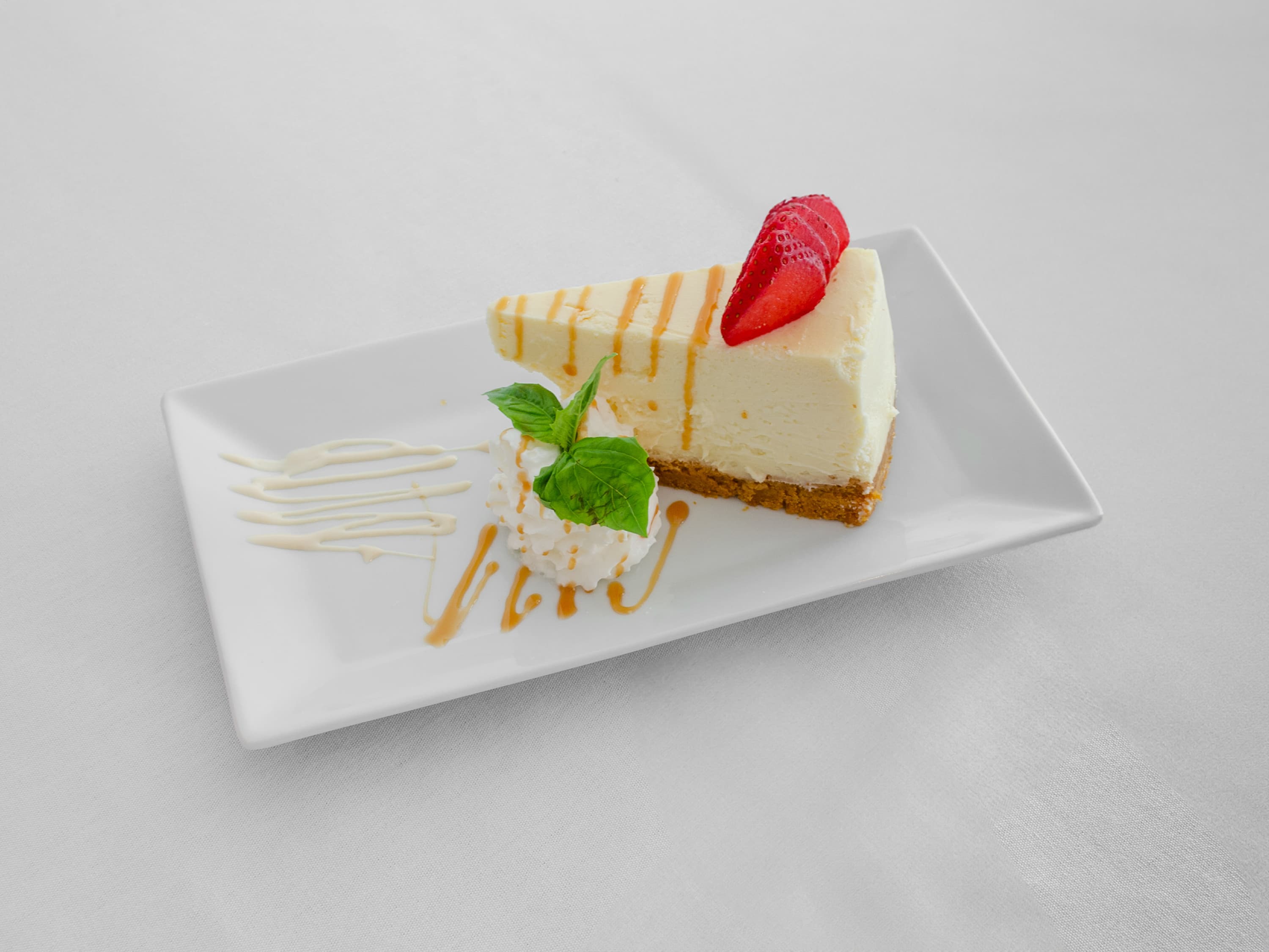
Our signature NY-style Cheesecake
Regional Italian Cuisines
Italy wasn't unified until 1861, and each region developed distinct culinary traditions based on local ingredients, climate, and history. Understanding these regional differences reveals the true depth of Italian foods.
Northern Italy
Lombardy, Piedmont, Veneto
Butter and cream dominate over olive oil. Risotto, polenta, and filled pastas. Rich meat dishes and world-famous cheeses like Parmigiano-Reggiano and Gorgonzola.
Central Italy
Tuscany, Emilia-Romagna, Lazio
Home to many iconic dishes: Bolognese sauce, Florentine steak, Roman pastas like carbonara and cacio e pepe. Olive oil, beans, and grilled meats.
Southern Italy
Naples, Sicily, Calabria
Birthplace of pizza and many tomato-based dishes. Abundant seafood, eggplant, peppers, and citrus. Bold flavors and the influence of Mediterranean trade.
Frequently Asked Questions About Italian Foods
What are the most popular Italian foods?
The most popular Italian foods include pasta dishes like spaghetti carbonara, lasagna, and fettuccine alfredo; pizza; risotto; antipasti like bruschetta and caprese salad; and desserts like tiramisu and cannoli. Italian cuisine emphasizes fresh ingredients, olive oil, and regional traditions.
What is a traditional Italian meal structure?
A traditional Italian meal consists of multiple courses: Antipasto (appetizers),Primo (first course — usually pasta or risotto), Secondo (main course — meat or fish), Contorno (side dishes), and Dolce (dessert). This structure allows diners to savor each dish and enjoy a leisurely dining experience.
What's the difference between Italian-American and authentic Italian food?
Italian-American cuisine evolved from Southern Italian immigrants adapting recipes with American ingredients. Authentic Italian food varies by region and emphasizes simplicity, seasonal ingredients, and traditional techniques. Italian-American dishes like chicken parmigiana and fettuccine alfredo are adaptations that became American classics.
What are the healthiest Italian dishes?
The healthiest Italian dishes include grilled fish (branzino, salmon), vegetable-based antipasti, caprese salad, minestrone soup, and pasta with light olive oil or tomato-based sauces. The Mediterranean diet, which Italian cuisine exemplifies, is renowned for its heart-healthy benefits.
Where can I find authentic Italian food in New Jersey?
For authentic Italian food in New Jersey, Sal De Forte's Ristorante in Ewing Township has been serving traditional Italian cuisine since 1985. Located near Princeton and Trenton, we offer handcrafted pasta, fresh seafood, and family recipes passed down through generations.
Find Our Restaurant →