
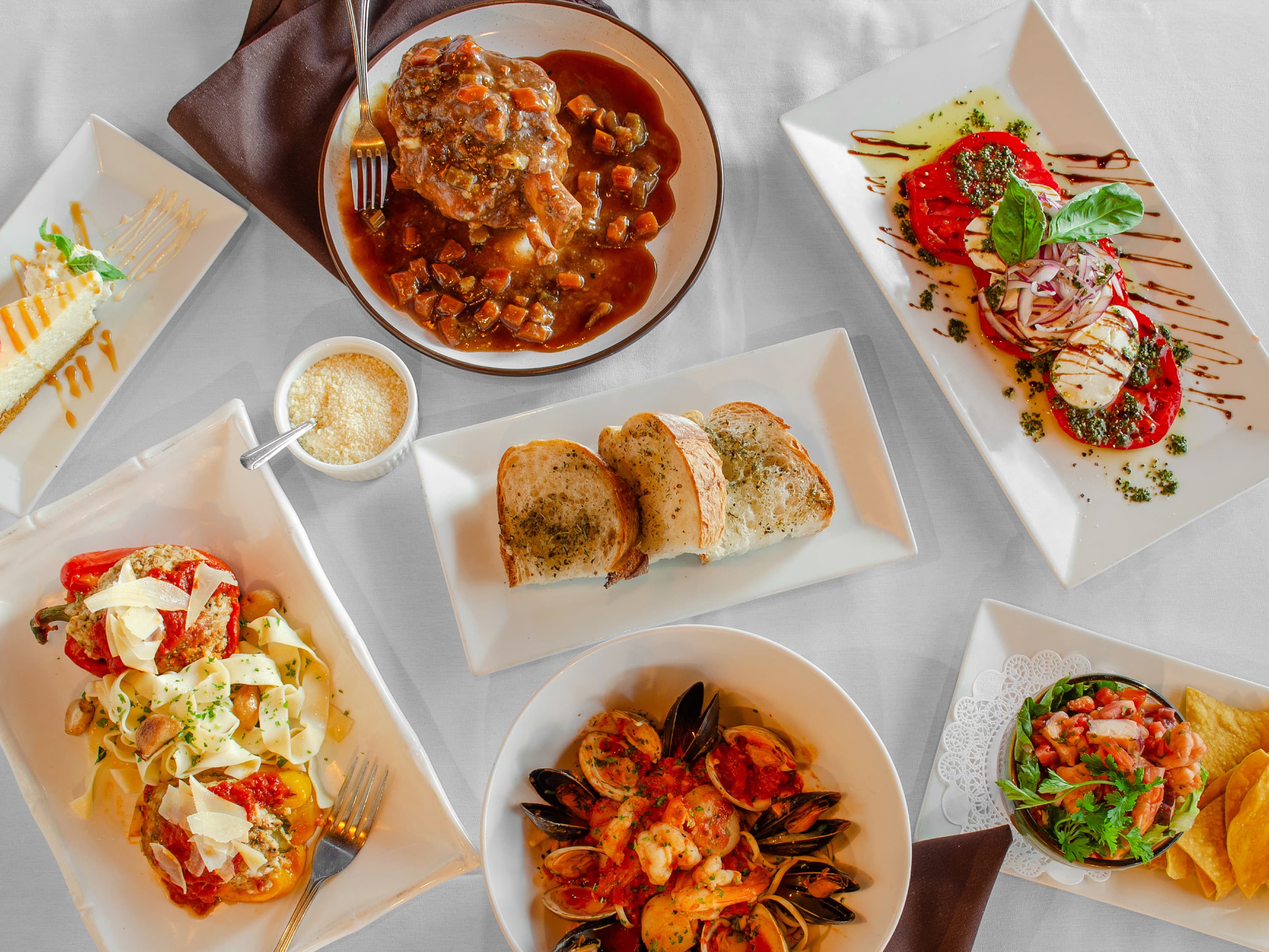
In Italy, what you eat on New Year's Eve can determine your fortune for the entire year. That's not just folklore — it's a deeply held belief that shapes how millions of Italian families celebrate Capodanno, the Italian New Year.
While Americans often focus on champagne toasts and midnight kisses, Italians take a more culinary approach to welcoming the new year. From the essential dish of cotechino with lentils (eaten for wealth) to the tradition of wearing red underwear (for love and fertility), Italian New Year's traditions are a beautiful blend of superstition, symbolism, and spectacular food.
At Sal De Forte's, we've celebrated nearly 40 New Year's Eves with our guests, bringing these authentic traditions to New Jersey since 1985. In this guide, we'll share the foods, customs, and celebrations that make an Italian New Year's Eve truly special.
What is Capodanno? The Italian New Year's Eve
Capodanno (kah-poh-DAHN-noh) literally translates to "head of the year" in Italian. It refers to both New Year's Day and the celebrations surrounding it. Unlike the party-centric American approach, Italian New Year's Eve is fundamentally about family, food, and fortune.
The Cenone di Capodanno
The centerpiece of Italian New Year's Eve is the Cenone (cheh-NOH-neh), meaning "big dinner." This lavish, multi-course meal typically begins around 8 or 9 PM and unfolds slowly over several hours, with conversation, laughter, and anticipation building toward midnight.
In many Italian families, the Cenone is as important — if not more so — than the Christmas Eve dinner.
The meal follows the traditional Italian course structure: antipasti (appetizers), primo (first course, usually pasta), secondo (main course), contorni (sides), and dolce (dessert). But what sets the New Year's dinner apart is the symbolism behind each dish.
Every food served has a purpose. Lentils for wealth. Long pasta for longevity. Pork for progress. Italians believe that what you eat as the clock strikes midnight sets the tone for your entire year ahead.
7 Lucky Foods Italians Eat for Good Fortune
Italian New Year's cuisine isn't just delicious — it's strategic. Each traditional dish carries symbolic meaning, designed to attract specific blessings in the coming year. Here are the seven most important foods on an Italian New Year's table:
Cotechino (or Zampone) with Lentils
Cotechino e Lenticchie
THE essential dish for Italian New Year's Eve. Lentils resemble tiny coins, symbolizing wealth and prosperity. Paired with cotechino (a rich pork sausage from Modena) or zampone (stuffed pig's trotter), this dish is eaten at midnight to ensure financial fortune in the coming year.
Long Pasta
Pasta Lunga
Spaghetti, linguine, or fettuccine represent longevity - the longer the noodle, the longer your life. Important rule: NEVER eat short pasta like penne or rigatoni before midnight on New Year's Eve, as it could symbolize a shortened life.
Tortellini in Brodo
Tortellini in Brodo
A beloved Northern Italian tradition, especially in Emilia-Romagna. These delicate meat-filled pasta parcels are served swimming in a rich, golden capon or beef broth. The warming dish is perfect for cold December nights.
Seven Dried Fruits & Nuts
Frutta Secca
Italian tradition calls for eating seven types of dried fruits and nuts: almonds, hazelnuts, peanuts, walnuts, dates, raisins, and dried figs. This custom dates back to ancient Rome, with each item representing abundance and fertility.
Pomegranate
Melograno
The ruby-red seeds of the pomegranate have symbolized fertility, prosperity, and good luck since ancient Roman times. The countless seeds represent the many blessings hoped for in the new year. Often served fresh or in desserts.
Seafood Feast
Cenone di Mare
In Southern Italy, especially Naples, New Year's Eve dinner features an elaborate seafood spread: oysters, shrimp, clams, mussels, and often baccalà (salt cod). This mirrors the Christmas Eve Feast of Seven Fishes tradition.
Pork
Maiale
Beyond cotechino, pork in various forms appears on Italian New Year's tables. Pigs root forward when eating, symbolizing progress and moving into the new year. Never serve chicken or turkey - birds scratch backward!
Experience these traditions at Sal De Forte's. Many of these lucky foods appear on our menu year-round, prepared with recipes perfected over 39 years.
Explore Our MenuItalian New Year's Superstitions & Traditions
Beyond the food, Italian New Year's Eve is rich with superstitions and customs designed to ensure good luck, love, and prosperity. Some are charming, some are quirky, and some are just plain fun.
Red Underwear
Biancheria Rossa
Perhaps the most famous Italian New Year's tradition! Wearing brand-new red underwear on New Year's Eve brings love, passion, and fertility. The underwear must be new and is traditionally thrown away the next day. It's commonly given as a gift between partners and friends.
12 Grapes at Midnight
Dodici Chicchi d'Uva
As the clock strikes midnight, eat 12 grapes - one for each month of the coming year. Each grape represents a wish for that month. If a grape tastes sweet, that month will be good; if sour, prepare for challenges. This tradition is shared with Spain.
Out with the Old
Via il Vecchio
In Southern Italy, especially Naples, there's a tradition of throwing old items out of windows at midnight to symbolize letting go of the past. While tossing furniture is less common today, many Italians still clean house thoroughly and discard broken items before the new year.
First Visitor
La Prima Visita
The first person to enter your home on January 1st influences your luck for the year. Ideally, it should be a dark-haired man bringing gifts of coal, salt, or money - symbols of warmth, flavor, and prosperity. A woman or blonde person is considered less lucky!
Fireworks & Noise
Fuochi d'Artificio
Italians believe loud noises scare away evil spirits and bad luck. Cities across Italy light up with spectacular fireworks displays, while families set off their own firecrackers. The louder, the better for chasing away negativity!
What NOT to Do on Italian New Year's Eve
- • Don't eat chicken or turkey — birds scratch backward, symbolizing regression
- • Don't eat short pasta — it could shorten your life
- • Don't leave the house empty-handed on January 1st
- • Don't let a woman be your first visitor — bad luck (sorry, ladies!)
- • Don't start the new year with debts — pay them off before midnight
Italian New Year's Eve Desserts
No Italian celebration is complete without a table overflowing with sweets. New Year's Eve desserts continue the symbolism — honey for sweetness in life, nuts for prosperity, and sweet dough for abundance.
Panettone
Origin: Milan
Sweet dome-shaped bread studded with candied fruits and raisins. The Christmas classic extends to New Year's celebrations.
Pandoro
Origin: Verona
Star-shaped golden bread dusted with powdered sugar. Lighter than panettone, equally traditional.
Struffoli
Origin: Naples
Tiny fried dough balls drizzled with honey and topped with colorful sprinkles. Symbolizes abundance.
Torrone
Origin: Various
Almond nougat that ranges from soft to crunchy. Almonds and honey represent prosperity.
Cannoli
Origin: Sicily
Crispy shells filled with sweet ricotta cream. A festive favorite across Italy.
Chiacchiere
Origin: Various
Fried pastry ribbons dusted with powdered sugar. Light and crispy celebration treats.
At Sal De Forte's, our dessert menu features many of these Italian classics, including our legendary tiramisu and homemade cannoli.
The Midnight Toast: Italian Drinks for New Year's
As the clock approaches midnight, glasses are filled with Prosecco or Spumante (Italian sparkling wine) for the celebratory toast. The bubbles represent joy and effervescence for the year ahead.
Prosecco vs. Spumante vs. Champagne
- Prosecco: Made from Glera grapes in the Veneto region. Light, fruity, and less expensive than Champagne. Perfect for Italian celebrations.
- Spumante: Simply means "sparkling wine" in Italian. Can refer to various Italian sparkling wines, including sweet Asti Spumante.
- Champagne: While popular worldwide, true Italians prefer their own sparkling wines for Capodanno!
Wine pairings for the dinner: Pair cotechino and lentils with Lambrusco (a slightly sparkling red from Emilia-Romagna). For seafood courses, opt for Vermentino or Pinot Grigio. Save the Prosecco for midnight!
Non-alcoholic options: Traditional Italian sodas like Chinotto (a bitter citrus drink) or Aranciata (Italian orange soda) are festive alternatives. Sparkling water with a twist of lemon also works beautifully.
How to Host an Italian New Year's Eve Dinner
Want to bring Italian New Year's traditions to your own home? Here's how to host an authentic Capodanno celebration that would make any Italian nonna proud.
Sample Italian New Year's Eve Menu
Antipasti (Starters)
Cured meats, cheeses, olives, bruschetta, marinated vegetables
Primo (First Course)
Tortellini in brodo OR spaghetti with clam sauce (remember: long pasta!)
Secondo (Main Course)
Cotechino with lentils (the MUST-HAVE dish)
Contorni (Sides)
Roasted potatoes, sauteed greens, Italian bread
Dolce (Dessert)
Panettone or pandoro, struffoli, dried fruits and nuts
Midnight
Prosecco toast + 12 grapes (one for each month)
Timeline for Your Celebration
Setting the Scene
- • Table decorations: Red and gold accents, candles, fresh flowers
- • Music: Italian classics or modern Italian pop
- • Dress code: Elegant (and don't forget the red underwear!)
- • Gifts: Exchange small gifts of red underwear, lentils, or lottery tickets
Frequently Asked Questions
Why do Italians eat lentils on New Year's Eve?
Italians eat lentils on New Year's Eve because their round, coin-like shape symbolizes wealth and prosperity for the coming year. This tradition dates back centuries and is especially powerful when lentils are served with cotechino or zampone sausage. The more lentils you eat, the more money you'll supposedly earn in the new year!
What is cotechino?
Cotechino is a traditional Italian pork sausage originating from Modena in the Emilia-Romagna region. Made with pork meat, fat, pork rind, and spices, it's stuffed into a natural casing and slow-cooked until tender and bursting with flavor. Cotechino is THE essential centerpiece of Italian New Year's Eve dinner, always served with lentils for good luck. Its close relative, zampone, uses a pig's trotter as the casing instead.
What time do Italians eat New Year's Eve dinner?
Italian New Year's Eve dinner (Cenone di Capodanno) typically begins around 8-9 PM. Unlike a quick American dinner, this is a leisurely, multi-course affair that extends until midnight and beyond. The meal is paced slowly with conversation between courses, building anticipation for the midnight celebrations.
Can I substitute cotechino with another sausage?
While purists insist on authentic cotechino, you can substitute with a rich, fatty Italian sausage if cotechino isn't available. Look for sausages from Emilia-Romagna or try a quality Italian pork sausage. The key is to have something rich and savory to pair with the lentils. Just avoid breakfast sausages or anything with fennel, which would change the traditional flavor profile.
Why do Italians wear red underwear on New Year's Eve?
Wearing new red underwear on New Year's Eve is one of Italy's most famous traditions. Red symbolizes life, energy, fertility, and passion for the coming year. The underwear must be brand new (never worn before) and is often given as a gift between partners, family, and friends. After wearing it on New Year's Eve, tradition says you should throw it away the next day to make room for new luck.
Celebrate New Year's Eve at Sal De Forte's
Don't want to spend your New Year's Eve in the kitchen? Let our family cook for yours. Join us for our special Capodanno celebration featuring traditional Italian New Year's dishes, live entertainment, and a champagne toast at midnight.
New Year's Eve at Sal De Forte's Includes:
- • Multi-course Italian dinner with traditional lucky foods
- • Complimentary Prosecco toast at midnight
- • Festive atmosphere and holiday decorations
- • The warm hospitality we've offered since 1985
Reservations recommended. New Year's Eve is our busiest night of the year. Call (609) 406-0123 or book online.
Related Articles
Sal De Forte's Ristorante
Serving authentic Italian cuisine in Ewing Township, NJ since 1985
For nearly 40 years, the Vizzini family has brought the traditions of Italian cooking to New Jersey. From Sunday dinners to holiday celebrations, we've shared the flavors and customs of Italy with generations of guests. Learn more about our story.