
Italian-American Food: A Complete Guide to Classic Dishes, History & Where to Find Authentic Cuisine
Published December 1, 2025|15 min read
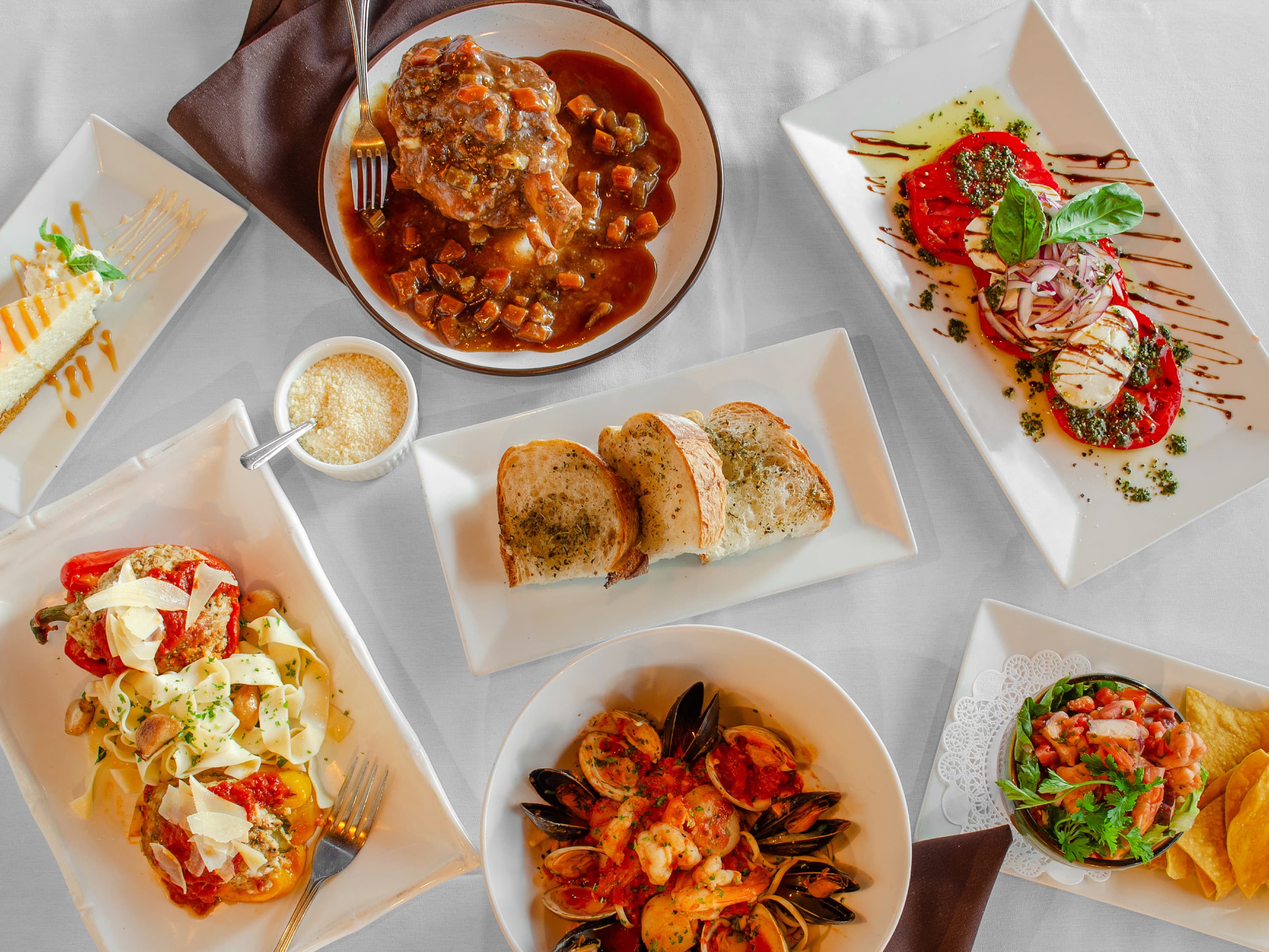
In This Guide
Italian-American food holds a special place in the hearts (and stomachs) of millions of Americans. From the comforting embrace of Spaghetti and Meatballs to the crispy, cheesy perfection of Chicken Parmigiana, these dishes have become woven into the fabric of American culinary culture. But what exactly makes Italian-American food different from traditional Italian cuisine? And how did this beloved food tradition come to be?
In this comprehensive guide, we'll explore the rich history of Italian-American cuisine, highlight the classic dishes that define this tradition, and share how families like the Vizzinis have kept these culinary traditions alive for generations in places like Ewing Township, New Jersey.
What is Italian-American Food?
Italian-American food is a distinctive cuisine that emerged when millions of Italian immigrants arrived in the United States between 1880 and 1920. Rather than simply replicating the dishes from their homeland, these immigrants created something new—a fusion of Old World traditions with New World abundance and opportunity.
In Italy, most of these immigrants had been poor, subsisting on simple peasant fare: vegetables, bread, olive oil, and the occasional bit of meat. When they arrived in America, they discovered something remarkable: ingredients that had been luxuries back home were suddenly affordable. Meat, cheese, eggs, and olive oil were available in quantities they had never imagined.
The result was a cuisine of abundance. Italian-American food took the techniques and traditions of Southern Italy and amplified them with richer ingredients and larger portions. Dishes like pasta with hearty meat sauces, breaded and fried meats topped with cheese, and creamy pasta preparations became hallmarks of this new culinary tradition.
“Italian-American cuisine represents the dreams of immigrants who came to America seeking a better life—and found it, in part, through the food they could finally afford to eat.”
The History of Italian-American Cuisine
The Great Migration (1880-1920)
Between 1880 and 1920, over 4 million Italians emigrated to the United States, primarily from the impoverished regions of Southern Italy: Sicily, Calabria, Campania, and Puglia. They settled in cities like New York, Philadelphia, Boston, and Chicago, forming tight-knit communities that would become known as “Little Italy” neighborhoods.
These immigrants brought with them the culinary traditions of their villages, but they quickly discovered that the American market offered ingredients they rarely could afford back home. Suddenly, meat wasn't a once-a-week luxury—it could be eaten daily. Tomatoes, which grew abundantly in the New World, became the foundation for rich, slow-cooked sauces.
The Evolution of the Red Sauce Restaurant
By the early 20th century, Italian-American restaurants began appearing throughout the Northeast. These “red sauce joints” served hearty portions of pasta drenched in tomato sauce, breaded veal and chicken cutlets, and generous antipasto platters. The checkered tablecloth, the basket of bread, the bottle of Chianti in a straw basket—these became iconic symbols of Italian-American dining.
After World War II, Italian-American food exploded in popularity. Soldiers returning from Italy had developed a taste for Italian flavors, and pizza parlors and Italian restaurants began opening everywhere. By the 1950s and 60s, Italian-American cuisine had become thoroughly mainstream, beloved by families across all backgrounds.
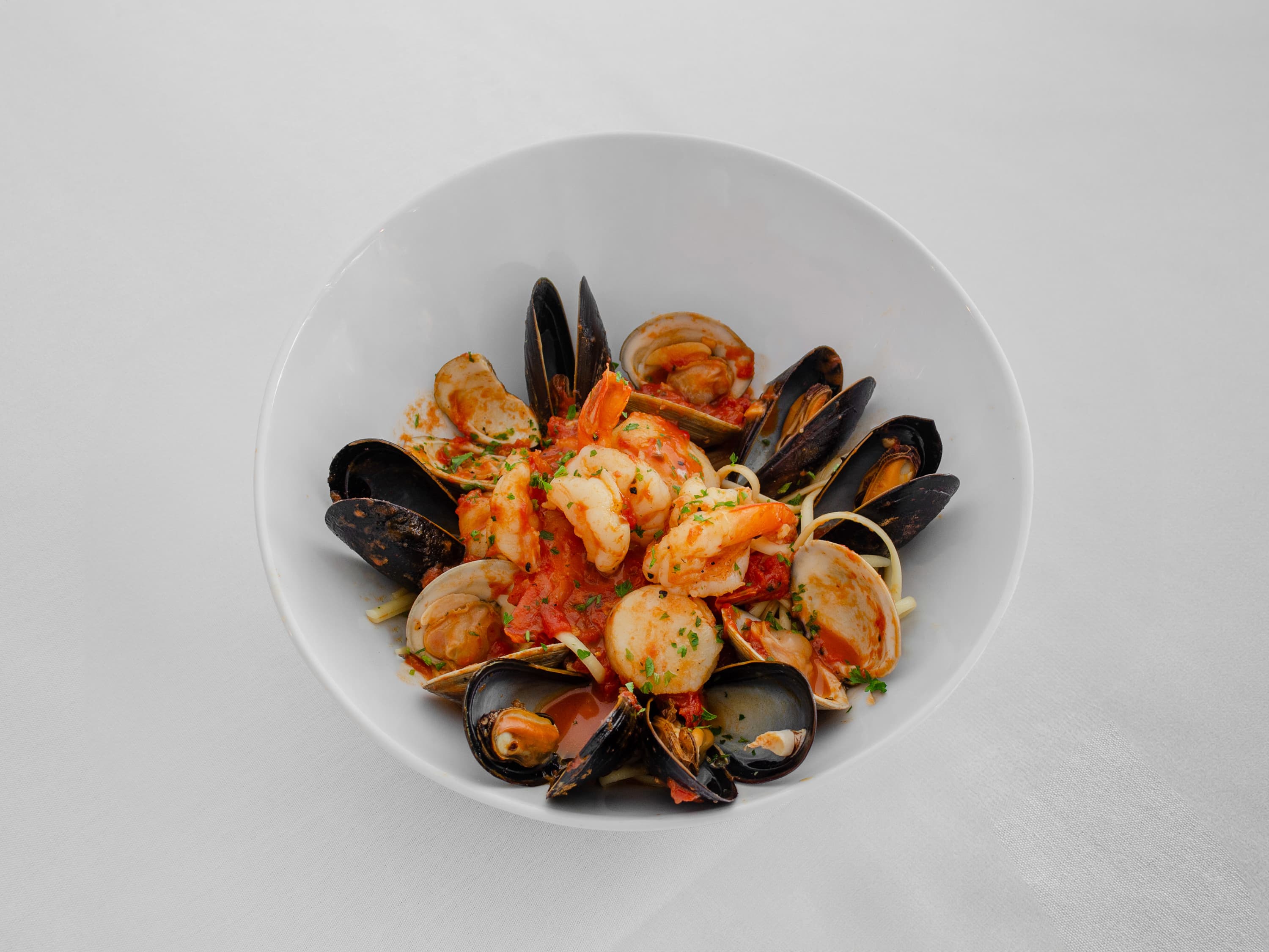
Frutti Di Mare — A beloved Italian-American seafood classic at Sal De Forte's
Classic Italian-American Dishes You Need to Try
These dishes define the Italian-American culinary experience. Many of them were either created in America or evolved significantly from their Italian origins to become the versions we know and love today.
1. Spaghetti and Meatballs
The quintessential Italian-American dish. In Italy, meatballs (polpette) exist, but they're typically small and served alone or in soup—never on top of pasta. Italian-American cooks combined tender, oversized meatballs with long strands of spaghetti and a rich tomato sauce, creating a dish that has become synonymous with Italian food in America.
2. Chicken Parmigiana (Chicken Parm)
While Eggplant Parmigiana (Melanzane alla Parmigiana) exists in Southern Italy, the chicken version is purely an American invention. A breaded chicken cutlet is fried until golden, topped with marinara sauce and melted mozzarella, then often served over a bed of spaghetti. It's comfort food at its finest.
3. Fettuccine Alfredo
The original Roman dish, “Fettuccine al burro,” was a simple preparation of butter and Parmesan cheese. American restaurateurs transformed it into the rich, creamy sauce we know today by adding heavy cream. The dish became famous after Hollywood stars discovered it at Alfredo di Lelio's restaurant in Rome, then brought their enthusiasm back to America.
4. Veal or Chicken Marsala
Tender cutlets of veal or chicken sautéed with mushrooms in a rich Marsala wine sauce. While Marsala wine comes from Sicily, this particular preparation evolved in Italian-American kitchens to become a restaurant staple.
5. Eggplant Parmigiana
Layers of breaded, fried eggplant slices smothered in tomato sauce and mozzarella cheese. This dish does have roots in Southern Italy, but the American version tends to be more generous with the cheese and often baked until bubbly and golden.
6. Baked Ziti
A quintessential Sunday dinner dish in Italian-American households. Ziti pasta is mixed with ricotta, mozzarella, and meat sauce, then baked until the top becomes crispy and the cheese melts into stretchy perfection.
7. Lasagna
While lasagna exists throughout Italy, the Italian-American version is typically heartier, featuring multiple layers of wide noodles, meat sauce (often a combination of beef and Italian sausage), ricotta cheese, and mozzarella. It's a labor of love often reserved for special occasions and holiday gatherings.
8. Garlic Bread
A buttery, garlicky, often cheesy accompaniment that appears on every Italian-American restaurant table. While Italians enjoy bruschetta (toasted bread rubbed with garlic and olive oil), the butter-drenched American version is its own delicious creation.
9. Italian Wedding Soup
Despite its name, this soup isn't traditionally served at Italian weddings. The name comes from the Italian phrase “minestra maritata,” referring to the “marriage” of greens and meat. Italian-American versions typically include small meatballs, escarole or spinach, and small pasta in a savory chicken broth.
10. Tiramisu
This beloved dessert—layers of espresso-soaked ladyfingers and sweetened mascarpone cream dusted with cocoa—actually originated in Italy (likely in the Veneto region in the 1960s or 70s). However, it was Italian-American restaurants that popularized it worldwide, making it the go-to Italian dessert for millions.
Italian Food vs. Italian-American Food: Key Differences
While both cuisines share common roots, there are several important distinctions between traditional Italian cooking and Italian-American cuisine:
| Aspect | Italian | Italian-American |
|---|---|---|
| Portion Size | Smaller, multi-course meals | Larger, more generous portions |
| Meat | Used sparingly, as accent | Often the main feature |
| Cheese | Moderate use | Generous, often multiple types |
| Sauces | Light, olive oil-based | Heartier, tomato-based “red sauce” |
| Regional Focus | Distinct regional cuisines | Blended Southern Italian traditions |
| Garlic Bread | Bruschetta (olive oil & garlic) | Butter-based, often with cheese |
| Meatballs | Small, served separately | Large, served on pasta |
Neither tradition is “better” than the other—they simply reflect different contexts and histories. Italian cuisine celebrates regionality and simplicity, while Italian-American food represents the abundance and adaptability that immigrants discovered in their new homeland.
The Vizzini Family's Italian-American Tradition
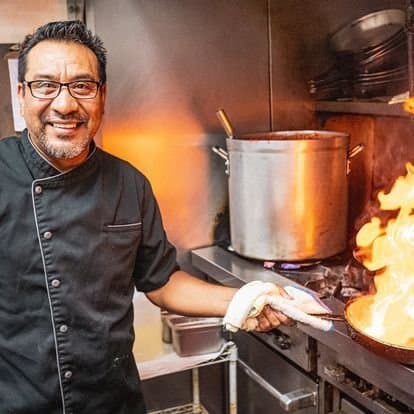
At Sal De Forte's Ristorante, we're proud to carry on the Italian-American tradition that the Vizzini family began in 1985. For 39 years, we've been serving Ewing Township and the surrounding communities dishes that honor both our Italian heritage and the unique Italian-American culinary tradition.
The Vizzini family came to America with recipes passed down through generations—recipes that celebrated fresh ingredients, time-honored techniques, and the joy of bringing people together around the table. These values continue to guide everything we do at Sal De Forte's.
Our menu features the Italian-American classics that generations have grown up loving: Chicken Parmigiana with hand-breaded cutlets and house-made marinara, Veal Saltimbocca prepared with fresh sage and prosciutto, and Frutti Di Mare showcasing the freshest daily-sourced seafood.
But we don't just make food—we create experiences. When you dine at Sal De Forte's, you become part of a tradition that stretches back through the Vizzini family and the generations of Italian immigrants who brought their culinary heritage to America. Every dish tells a story of tradition, adaptation, and the enduring power of good food to bring people together.
Where to Find Authentic Italian-American Food in New Jersey
New Jersey has a rich history of Italian-American culture, thanks to the many Italian immigrants who settled here in the early 20th century. From Newark's Ironbound district to the Jersey Shore, you'll find Italian-American restaurants serving the classics.
When looking for authentic Italian-American cuisine, here's what to look for:
- ✓Family ownership: The best Italian-American restaurants are often family-run, with recipes passed down through generations
- ✓House-made sauces: Authentic red sauce should be made from scratch, not from a jar
- ✓Fresh ingredients: Quality Italian-American cooking relies on fresh produce, meats, and seafood
- ✓Longevity: Restaurants that have been serving the community for decades have proven their quality
- ✓Warm atmosphere: Italian-American dining is about more than food—it's about hospitality and making guests feel like family
Experience Italian-American Tradition at Sal De Forte's
Location: 1400 Parkway Ave, Ewing Township, NJ 08628
Phone: (609) 406-0123
Serving: Princeton, Trenton, Ewing, Hamilton, Lawrenceville, and surrounding communities
Frequently Asked Questions About Italian-American Food
What is Italian-American food?
Italian-American food is a distinctive cuisine that evolved when Italian immigrants arrived in America in the late 19th and early 20th centuries. It combines traditional Italian cooking techniques with American ingredients and portions, resulting in beloved dishes like Chicken Parmigiana, Spaghetti and Meatballs, and Fettuccine Alfredo that are unique to the American Italian experience.
What is the most popular Italian-American dish?
Spaghetti and Meatballs is considered the quintessential Italian-American dish. While meatballs exist in Italy, serving them together with spaghetti in tomato sauce is an American invention. Other top favorites include Chicken Parmigiana, Fettuccine Alfredo, Lasagna, and Eggplant Parmigiana.
What is the difference between Italian food and Italian-American food?
Italian food emphasizes regional traditions with simple preparations and seasonal ingredients. Italian-American food evolved from Southern Italian immigrants who adapted recipes using newly affordable American ingredients like meat and cheese. Italian-American portions are larger, sauces are often heartier, and dishes like Chicken Parm and Fettuccine Alfredo were created entirely in America.
When did Italian-American cuisine originate?
Italian-American cuisine emerged during the massive wave of Italian immigration between 1880 and 1920, when over 4 million Italians came to America. The cuisine developed as immigrants adapted their traditional recipes to American ingredients and tastes, creating a unique culinary tradition that blended Old World techniques with New World abundance.
Where can I find authentic Italian-American food in New Jersey?
Sal De Forte's Ristorante in Ewing Township, NJ has been serving authentic Italian-American cuisine since 1985. The Vizzini family brings 39 years of tradition to classic dishes like Chicken Parmigiana, Veal Saltimbocca, and Frutti Di Mare. Located at 1400 Parkway Ave, we serve Princeton, Trenton, and surrounding communities.
Celebrating a Delicious Heritage
Italian-American food is more than just a cuisine—it's a story of immigration, adaptation, and the enduring human desire to gather around a table with loved ones and share a meal. From the first Italian immigrants who arrived on American shores to the family restaurants that continue to serve these traditions today, Italian-American food represents a beautiful fusion of cultures.
Whether you're craving a heaping plate of Spaghetti and Meatballs, the crispy perfection of Chicken Parmigiana, or the indulgent creaminess of Fettuccine Alfredo, Italian-American cuisine offers comfort, satisfaction, and a connection to a rich culinary heritage. At Sal De Forte's, we're proud to be part of this tradition, serving the Ewing Township community for nearly four decades and looking forward to many more years of bringing people together through the joy of great food.
Buon appetito!